
Summary
Improving efficiency in retail and distribution operations without compromising quality requires a combination of efficient warehouse design, real-time inventory visibility, appropriate equipment, consistent operator training and operational data. Together, these improvements help increase fulfilment speed, reduce errors and maintain a high-quality customer experience.
What are the challenges of fast fulfilment?
Fast fulfilment has become a competitive necessity in retail and distribution operations. As customer expectations continue to rise, businesses are under increasing pressure to deliver orders quickly while maintaining the accuracy, consistency and reliability customers expect.
However, increasing fulfilment speed should never come at the expense of quality.
Rushed processes can lead to picking errors, damaged goods, dissatisfied customers and costly returns, all of which contribute to unnecessary Muda (waste). The challenge is finding ways to improve throughput while maintaining high standards across every stage of the fulfilment process.
Here are some practical ways businesses can speed up fulfilment without compromising quality.
1. Optimise warehouse layout and product positioning
One of the simplest ways to improve fulfilment speed is by reducing unnecessary travel throughout the facility.
Fast-moving products should be positioned in easily accessible locations close to packing and dispatch areas, while complementary products can be stored near one another to minimise picker travel time. Regularly reviewing product locations based on demand patterns can help ensure the warehouse layout continues to support efficient operations.
By reducing unnecessary travel, even small improvements in journey distance can have a significant impact when multiplied across hundreds or thousands of orders each day.
2. Why is inventory visibility important for fast fulfilment?
Delays often occur when operators are unable to locate stock quickly or inventory records do not accurately reflect what is available.
A Real-Time Location System (RTLS) provides live visibility of assets, equipment and inventory throughout the warehouse, allowing teams to locate items quickly and reduce time spent searching. By tracking the real-time location of goods, RTLS helps minimise fulfilment delays, reduce misplaced inventory and improve operational efficiency.
Real-time inventory visibility enables teams to identify stock locations instantly, avoid fulfilment bottlenecks and make more informed decisions. By ensuring operators have accurate information at the point of fulfilment, businesses can improve both speed and order accuracy.
3. Support operators with the right equipment
Equipment plays a critical role in fulfilment performance. Outdated, unreliable or poorly suited equipment can slow down operations, increase the risk of errors and lead to unnecessary breakdowns and disruptions.
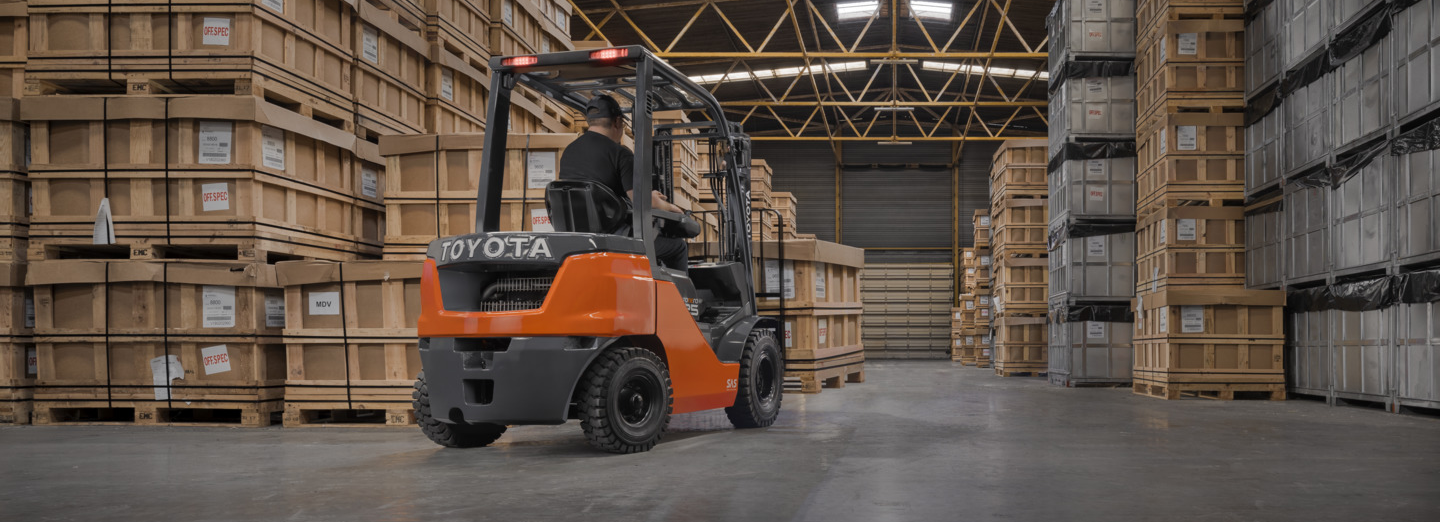
Investing in the right material handling equipment for specific tasks can help operators move goods more efficiently while maintaining safe and consistent processes. Ergonomic equipment can also reduce operator fatigue, helping maintain productivity throughout the working day.
When operators have the tools they need to work effectively, fulfilment performance naturally improves. Implementing automated solutions can further streamline repetitive tasks, reduce manual handling and help maintain consistent performance during peak periods.
4. Standardise processes and training
Fast fulfilment relies on consistency. If employees follow different processes or receive varying levels of training, errors and inefficiencies can quickly emerge.
Clearly defined operating procedures help ensure tasks are completed correctly every time, regardless of who is performing them. Regular operator training and refresher programmes also help operators maintain best practices and adapt to changes in processes, equipment or demand.
A well-trained workforce is often one of the most effective ways to improve both productivity and quality.
5. How can data improve fulfilment performance?
Many fulfilment delays are caused by inefficiencies that are not immediately visible.
Monitoring KPIs and data such as equipment utilisation, idle times, imbalanced workloads and warehouse throughput can help businesses identify areas for improvement. Data-driven insights allow managers to address bottlenecks before they affect customer service levels and make informed decisions about process improvements.
Rather than relying on assumptions, businesses can focus their efforts where they will have the greatest impact.
Can you improve fulfilment speed without sacrificing quality?
Improving fulfilment speed does not have to mean accepting lower quality standards. In fact, the most successful retail and distribution operations achieve both by creating efficient, well-organised and data-driven processes.
By optimising warehouse layouts, improving inventory visibility, equipping operators effectively, investing in training and using operational data to guide decisions, businesses can increase throughput while maintaining the accuracy and reliability customers expect.
The result is faster fulfilment, improved customer satisfaction and a more resilient supply chain.
Looking to improve efficiency in your retail and distribution operation?
To learn more about how Toyota Material Handling can support your journey to improve efficiency and reduce waste in your retail and distribution operation, click below to explore our solutions.