
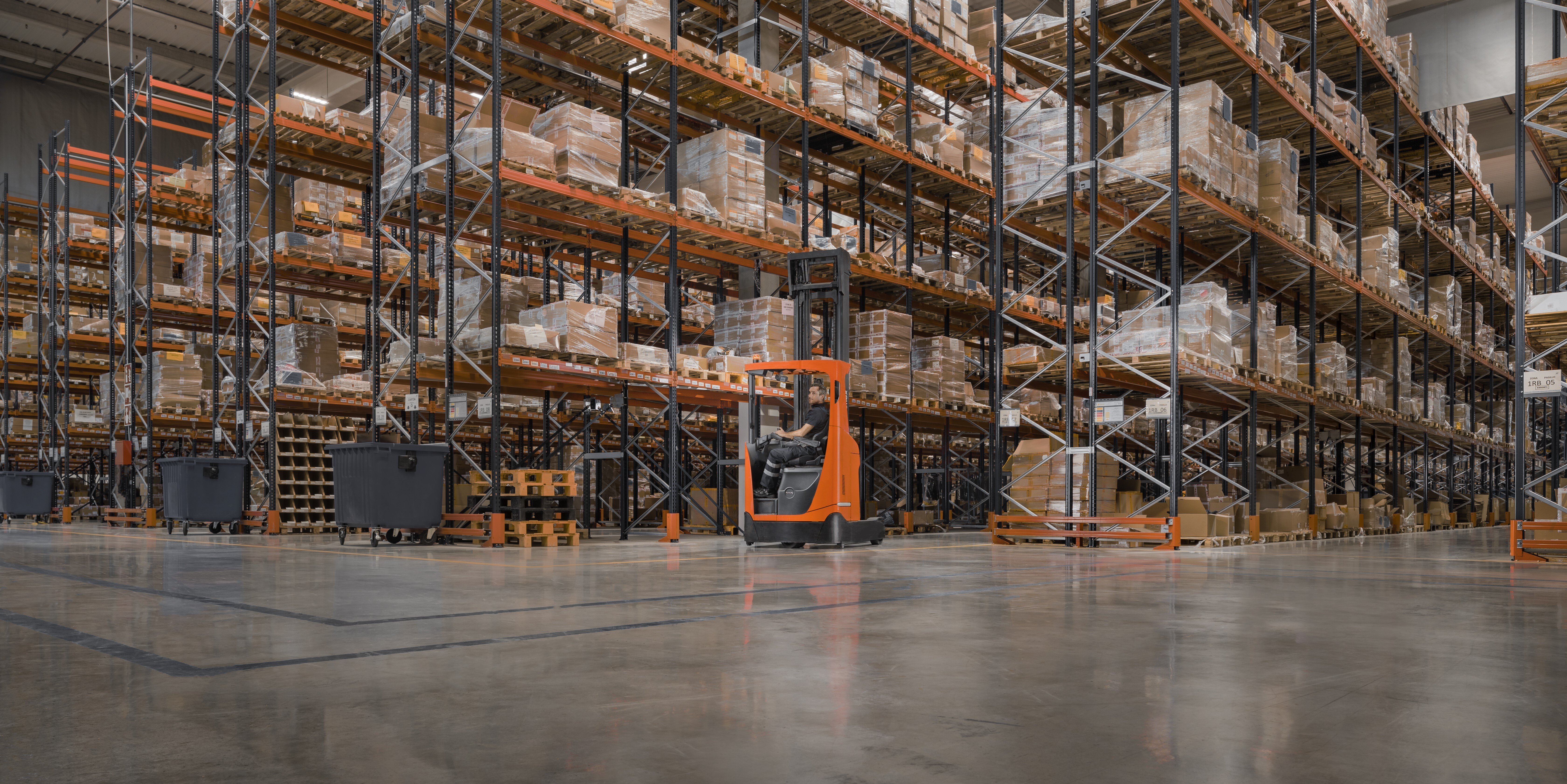
Seasonal peaks can put material handling operations under increased pressure. More stock, higher order volumes and tighter turnaround times can create challenges around space, equipment availability and staffing.
Being prepared can help your operation increase capacity, reduce bottlenecks and keep goods moving efficiently when demand is at its highest. From making better use of warehouse space to temporarily increasing your forklift fleet, here are some areas to consider when preparing for seasonal peaks.
Forecast demand early
Understanding when demand is likely to increase can help you plan your operation before seasonal pressure builds. Reviewing previous peak periods, sales forecasts and expected order volumes can help you identify how much additional storage, equipment and labour may be required.
Planning ahead also gives you more time to address potential bottlenecks and make changes before demand reaches its highest point, helping your operation remain prepared when volumes increase.
Make better use of your storage space
Seasonal peaks can mean holding more stock, putting additional pressure on the space available in your warehouse. Planning your storage around expected stock levels can help ensure you have enough capacity for seasonal demand without making it harder to access and move goods.
Reviewing your storage and racking can help you make better use of the space you already have. For example, conventional pallet racking provides direct access to each pallet, helping support faster picking and replenishment when stock is moving quickly.
If storage capacity is an issue, higher-density racking such as mobile racking can help you store more pallets within the same footprint and reduce the amount of space needed for storage, allowing for up to 85% effective space utilisation.
Increase labour flexibility
Seasonal peaks can put additional pressure on your workforce, particularly when order volumes increase over a short period of time. Having a flexible approach to staffing can help you respond to changing workloads while maintaining productivity and service levels.
Cross-training employees across different tasks can provide additional flexibility, allowing people to support areas experiencing higher demand. Temporary workers can also help increase capacity where additional labour is required during particularly busy periods.
Consider automation
Seasonal surges can increase staffing requirements at a time when finding additional workers may be challenging.
Warehouse automation can help reduce the pressure on your workforce by automating predictable and repetitive material movements. Automated solutions can simplify the flow of goods through an operation, helping to reduce bottlenecks and maintain consistent movement between different processes.
For businesses that regularly experience seasonal peaks, where suitable, automation can potentially provide a longer-term way to increase capacity and keep operations running efficiently without relying solely on additional labour.
Utilise short-term rental
Your forklift fleet may be suitable for normal demand, but seasonal peaks can temporarily increase the number of trucks your operation requires.
Short-term rental allows you to increase fleet capacity when you need it for short periods of time.
Whether you require additional counterbalance forklifts for increased deliveries or trucks to support higher picking and replenishment volumes, short-term rental gives you the flexibility to adapt your fleet to changing requirements.
Once demand returns to normal, the additional trucks can be returned, helping you avoid the cost of keeping equipment that may sit underutilised outside of your peak periods.
Keep your existing equipment in peak condition
Additional demand can mean your existing material handling equipment is working harder and for longer, making reliability particularly important.
Regular forklift servicing and maintenance can help keep trucks in good working condition and identify potential problems before they result in unexpected downtime.
Planning maintenance ahead of your busiest periods can help ensure your fleet is ready for the additional workload and reduce the risk of equipment availability becoming a bottleneck when demand is at its highest.
Utilise data
Data can help you understand how effectively your material handling equipment is being used during busy periods. A Fleet Management system can provide visibility of truck utilisation, activity and operator behaviour.
Using this information can help identify underused equipment, inefficient processes or areas where additional trucks may be required. It can also support better planning ahead of future seasonal peaks, helping you make informed decisions about fleet capacity and resource requirements.
Get your operation ready for seasonal demand
Preparing for seasonal peaks is about having the capacity and flexibility to respond when demand increases.
For more information about how we can support Retail & Distribution businesses please click below.