
Summary
Loading delays can have a knock-on effect across your entire logistics operation. When vehicles are waiting to be loaded, it can increase turnaround times, create congestion and put pressure on operators to keep goods moving.
The cause isn't always obvious. Delays can occur when equipment isn't available, goods aren't ready, operators are travelling unnecessary distances or demand exceeds the available capacity.
Understanding where these delays occur is the first step towards improving the flow of goods through your operation.
What causes loading delays?
Loading delays can occur when goods, operators, vehicles and material handling equipment aren't available at the right time.
Operators may have to wait for equipment, travel unnecessary distances to collect loads or move goods multiple times before they reach the loading area. Equipment breakdowns can further reduce available capacity, while poorly organised staging areas can create congestion and make it harder for operators to access loads.
Looking at the complete journey of goods, from storage and picking through to staging and loading, can help identify where these bottlenecks are occurring.
Make sure goods are ready for loading
One way to reduce vehicle waiting time is to make sure goods are ready when the vehicle arrives.
Where appropriate, loads can be picked and staged in advance, with goods positioned according to the loading sequence. This can reduce the amount of time operators spend searching for or preparing loads once a vehicle is ready.
It is also worth reviewing where goods are stored. Frequently dispatched stock positioned closer to staging or loading areas can reduce travel distances and help create a more efficient flow.
Use the right equipment for the application
The material handling equipment used to move goods can have a direct impact on loading efficiency.
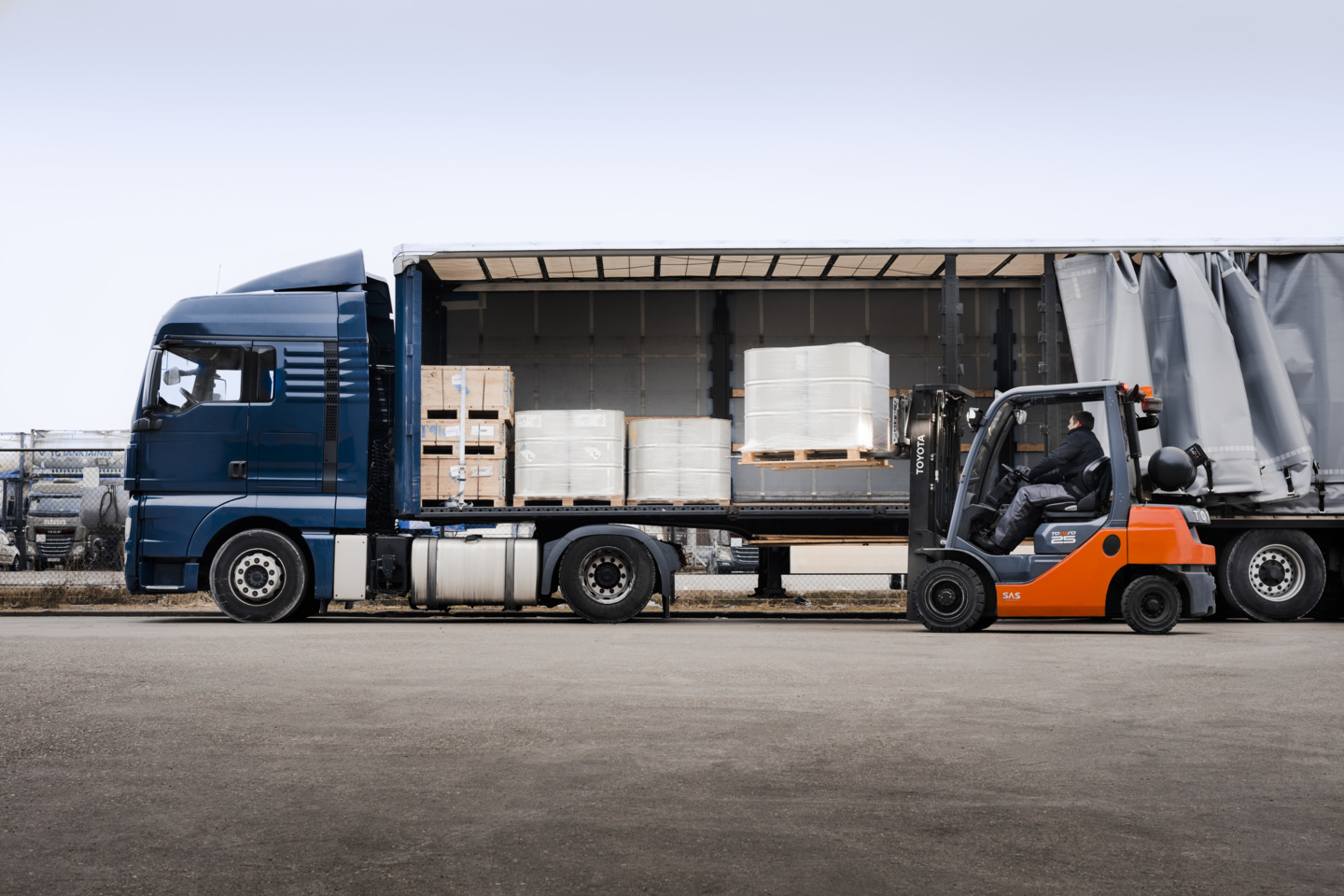
Powered pallet trucks can be used to move palletised loads across loading areas and into vehicles, while counterbalance forklifts can provide the versatility needed for a range of loading and unloading applications.
The right choice will depend on factors including the loads being handled, travel distances, available space and the type of vehicles being loaded.
Equipment availability is equally important. If operators regularly have to wait for a truck, this can become a bottleneck even when equipment is well suited to the application.
Reduce unnecessary movement
The distance and number of times a load is moved can have a significant impact on loading efficiency.
Review how goods travel between storage, picking, staging and loading areas. If operators are regularly travelling long distances or handling the same pallet multiple times, there may be opportunities to create a more direct route through the operation.
Evaluating how you store your products can also help improve the flow of goods. Positioning frequently dispatched stock appropriately and selecting a storage solution that supports efficient access can help reduce unnecessary movement.
Reducing unnecessary movement is also one of the ways businesses can work towards eliminating Muda (waste) in their operations.
Make sure your forklift fleet is available when needed
Unexpected forklift downtime can quickly create loading delays, particularly when an operation relies on a small number of trucks for loading and unloading.
Regular servicing can help keep your equipment operating reliably and identify potential problems before they result in unplanned downtime.
It’s also useful to look at how equipment is being used. Using fleet management systems to gather data such as peak operating hours, utilisation and truck activity can help identify periods of high demand, underused equipment and areas where equipment availability may be affecting productivity.
This information can then be used to make informed decisions about how equipment is allocated across an operation.
Plan your fleet around changes in demand
Loading requirements are unlikely to remain the same throughout the year. Seasonal peaks, large orders and changes in delivery schedules can all increase pressure on loading operations.
Planning ahead can help ensure there is enough material handling capacity to meet these changes in demand. This could mean reallocating existing trucks, reviewing shift requirements or temporarily increasing the size of your fleet.
Short-term rental can provide additional forklifts and warehouse equipment during busy periods, helping increase capacity without the commitment of permanently expanding your fleet.
How can you improve loading efficiency?
Reducing loading delays isn't necessarily about moving goods faster. In many cases, the biggest improvements come from removing the reasons why goods, operators or vehicles have to wait.
Making sure goods are ready when vehicles arrive, using equipment suited to the application, reducing unnecessary movement and keeping equipment available can all help improve the flow of goods and reduce vehicle turnaround times.
You can learn more about how we support businesses in reducing waste in their transport and logistics operations below.